
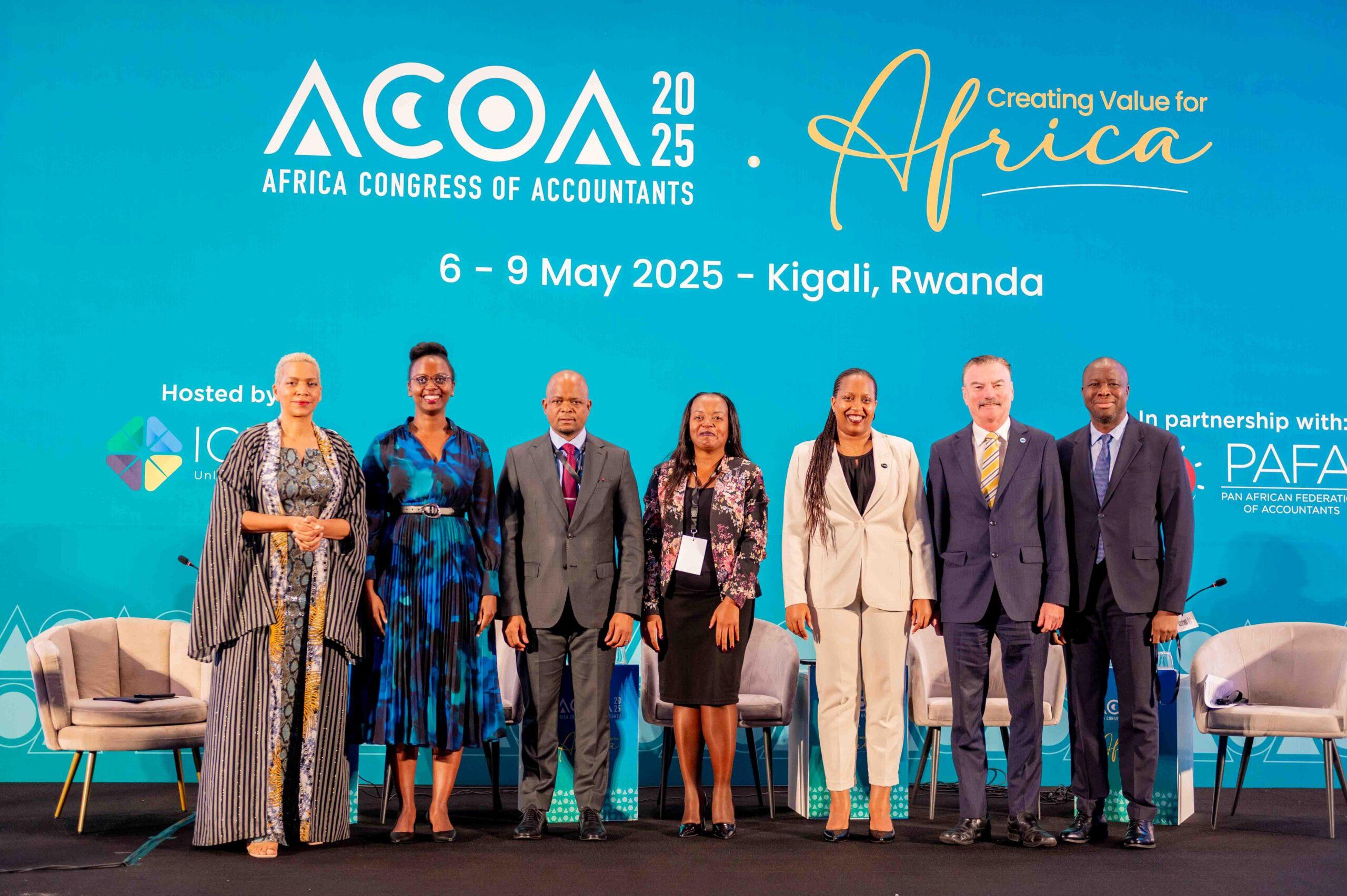
Rwanda has officially launched its roadmap for the adoption of the International Sustainability Standards Board (ISSB) framework, marking a pivotal moment in the country’s transition toward sustainable financial disclosures.
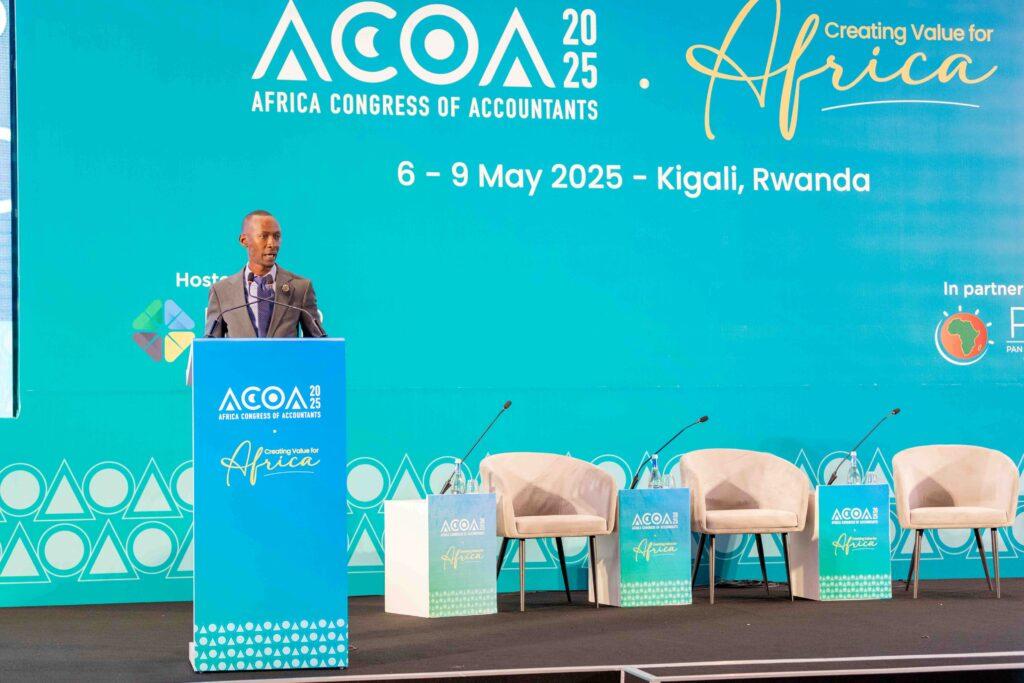
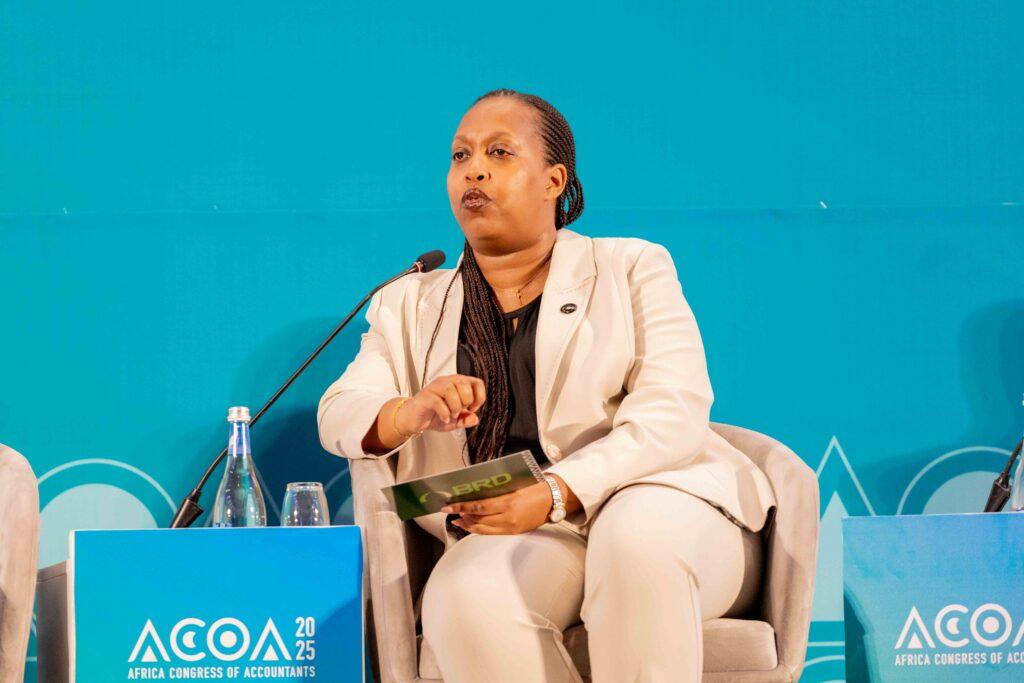
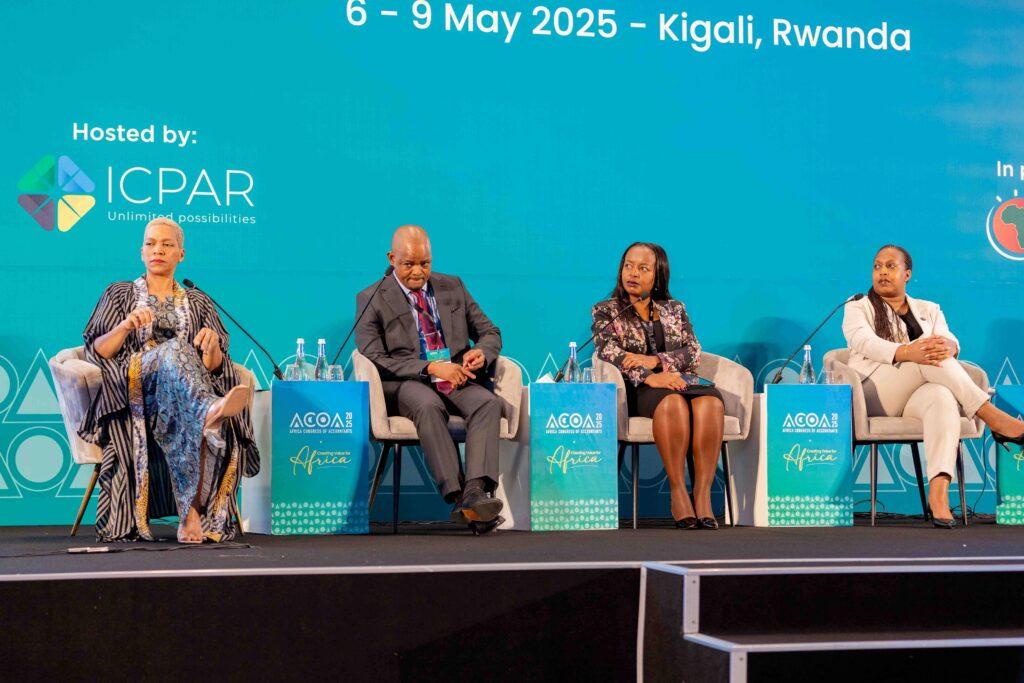
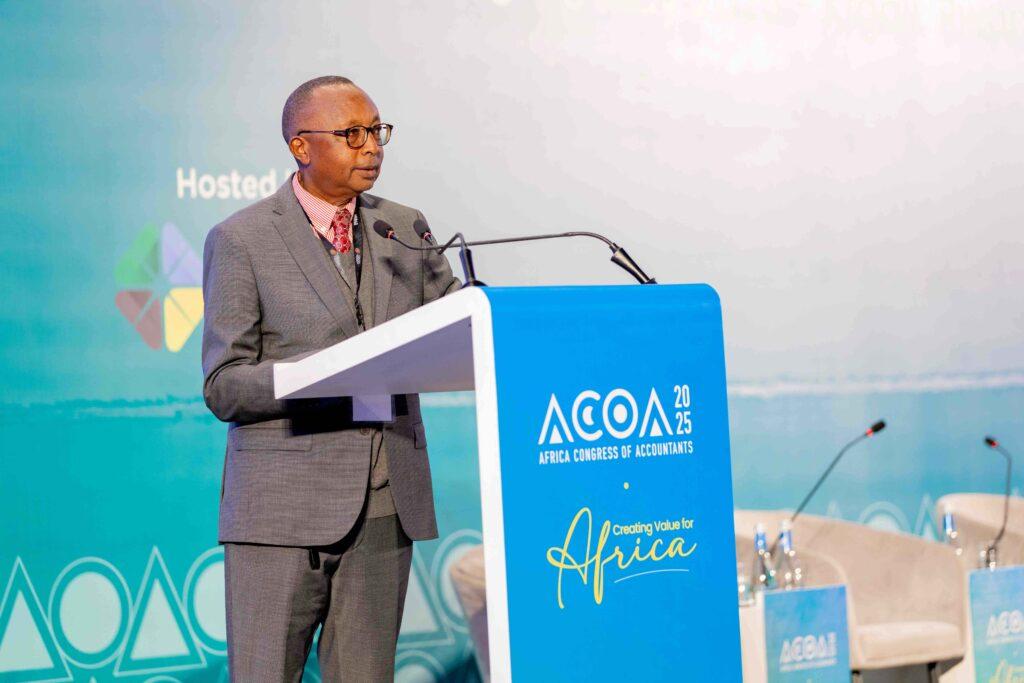
Spearheaded by ICPAR (Institute of Certified Public Accountants of Rwanda), the Ministry of Finance and Development Planning (MINECOFIN), the National Bank of Rwanda (BNR) and GIZ (Deutsche Gesellschaft für Internationale Zusammenarbeit), this reputable milestone was unveiled on 7th May 2025 during the ongoing Africa Congress of Accountants (ACOA) at Kigali Convention Center.
The move, a result of a six-month period of research, aligns Rwanda with global trends in financial reporting, aiming to integrate sustainability-related disclosures into financial statements in ways that enhance transparency, attract investment, and build economic resilience.
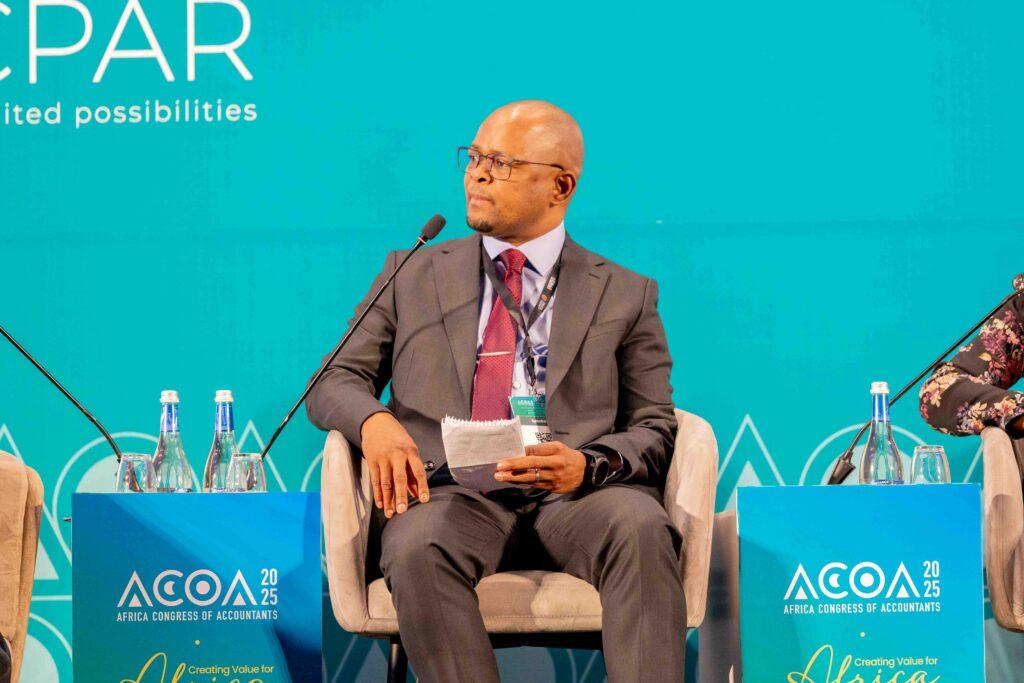
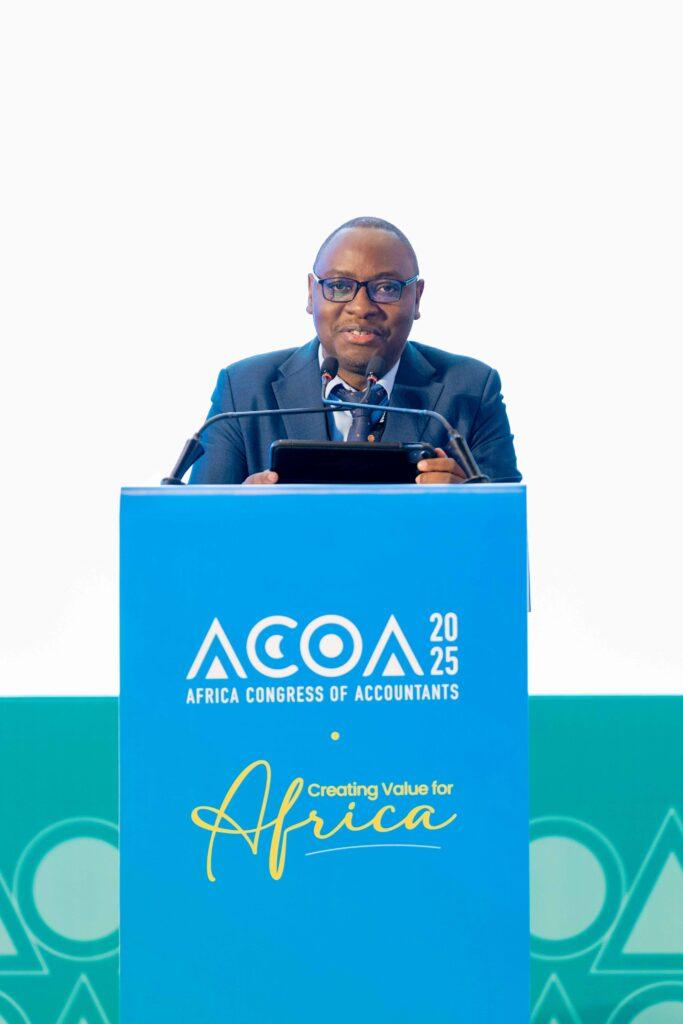
“This roadmap is not a mere statement. But something that has been researched to ensure its practicality, ability to deliver transformation, as well as support the overall national goals when it comes to sustainability disclosures,” explained Wilson K. Kaindi, Chair of the ISSB Steering Committee at ICPAR and Country Director of KPMG Rwanda. Further stressing that by so doing, investors are handed all relevant information to facilitate their ventures.
He disclosed that although Rwanda was successful in securing the IMF (International Monetary Fund) – over 3 million dollars, ‘there’s a lot of funding that still needs tapping’, thus entities ought to support those initiatives.
Understanding the ISSB Standards
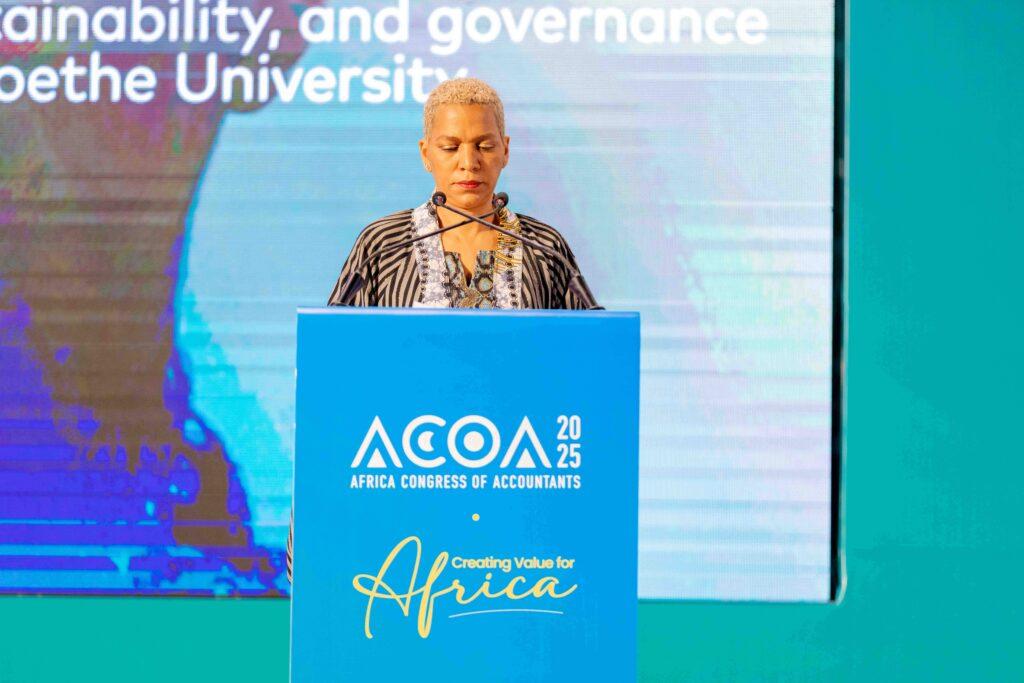
According to Dr. Ndidi Nnoli-Edozien, a member of the ISSB, “the theory of change is the relevant information that is decision useful for investors to unlock capital flows.” It entails a better understanding of business models, risks and opportunities within the value and supply chains in order to build resilience into the company.
The ISSB standards thus, ensure companies build resilience by providing clarity on environmental, social, and governance (ESG) risks, fostering trust in financial markets.
Besides, sustainability-related financial disclosures reveal how companies manage their long-term risks, creating opportunities for smaller entities (SMEs)—often the backbone of African economies—to access funding and contribute meaningfully to economic development.
A call to Accountants
She therefore called on accountants and policy makers to quantify and integrate assets like Rwanda’s mountain gorillas into financial statements, ensuring they are recognized in economic decisions for they are key components of the country’s economic capital.
Ndidi also acknowledged Rwanda’s leading role in connecting ISSB standards to capital flows. In addition to Nigeria-the first country globally to adopt ISSB standards and South Africa-pioneered the ISSB digital taxonomy.
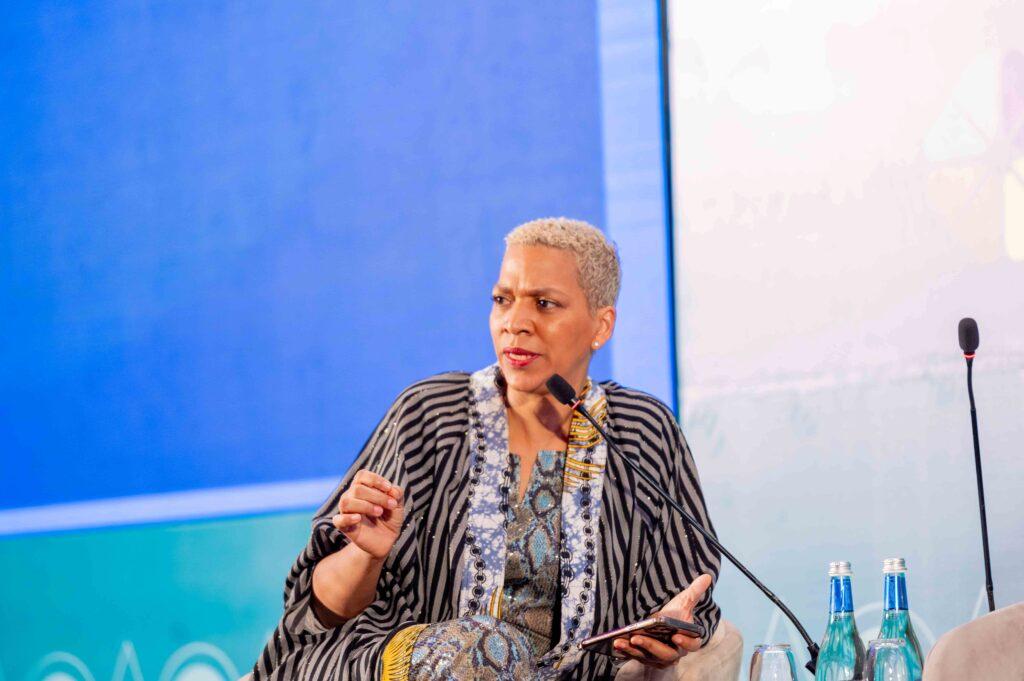
“So, we’re not behind on this, because we are tapping on who we are, what we need and the Africa we want,” noted Ndidi. “We have over 30 plus jurisdictions, that is 40% of global GDP and if you take out the US, that is 80% of the global market. That means we are writing the common language, and guess what, the origin and the inspiration for the language lies with the accountants,” she added.
Nevertheless, despite the continent’s vital role, feedback has been limited—often under 14%. Ndidi therefore urged participants to strengthen their responses. “Your reply doesn’t have to be a complicated. You can just get a letter, write what is important to you and send your input,” she stressed.
Implementing ISSB in Rwanda
While unveiling the roadmap, ICPAR Chairman CPA Obadiah Biraro encouraged entities to embrace the roadmap, stating that, it is never too late to do the right thing.
“Necessity is the mother of invention and the necessity to adapt the standards emanates from the fatalism of the bad financial management that some of you may have incurred.”
Biraro further noted that, “the sustainability standards are an expansion of paragraph no.5 and 6 of the ‘statement of responsibilities’ that every quoted/listed company must put append to, specifically those that use public funds in Rwanda.”
Moving forward
Overall, the African continent has a unique opportunity to shape sustainability standards in a way that reflects its needs and realities. Through continuous research, consultation, and participation, Africa can define its financial future in a way that fosters resilience, transparency and economic prosperity.
“This is the moment and because sustainability is ours and has always been, this is the time to act,” remarked Ndidi.